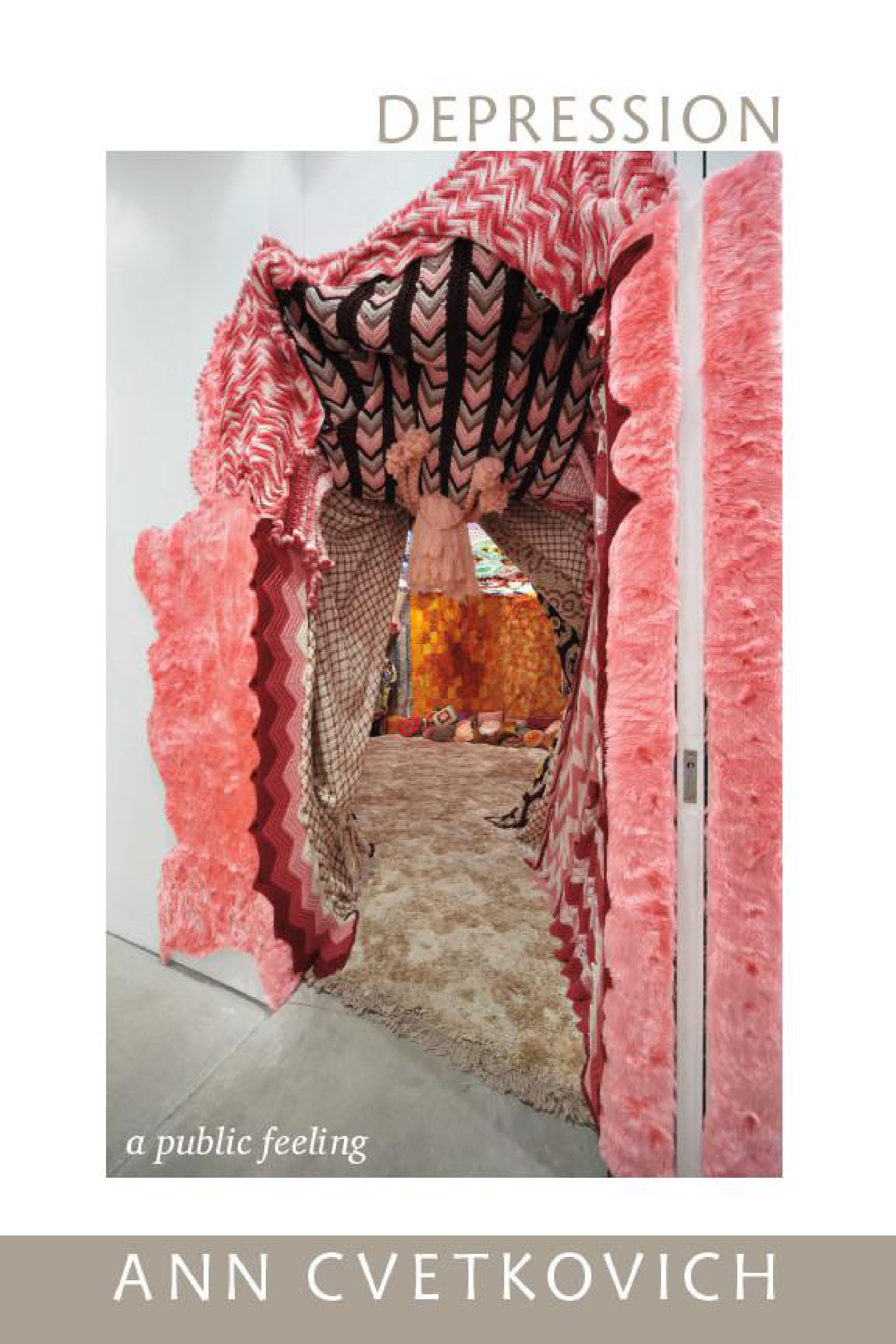
The Utopia of Ordinary Habit:Crafting, Creativity, and Spiritual Practice
Ch3 是 Part II 也是全书理论部分的收束章:Cvetkovich 把 depression 从 Ch1 的 acedia、Ch2 的 racial dispossession 推进到 ordinary habit、crafting 和 spiritual practice。她不把抑郁理解为需要被一次性治愈的疾病,而是把它看作嵌在 domesticity、middle-class worry、neoliberal stress、feminist ambivalence、queer bohemia 和 global crisis 之间的普通感受。正因为 depression 是 ordinary,回应它的实践也必须是 ordinary:编织、crochet、craftivism、installation art、cover songs、morning prayer、kundalini yoga、写作和每天整理药盒,都可能成为微小但持续的 reparative practice。本章真正提出的是一种「日常习惯的乌托邦」:政治不必总是把情感转化成更大的行动才成立;在身体、手、颜色、质地、重复、共处和不确定性中练习活下去,本身就是对 political depression 的知识生产和生活形式。
Reading Context
Ch3 接在 Ch2 之后,但档案明显转向:上一章围绕 African diaspora、Indigenous spiritualities、racial melancholy 和 land/displacement;这一章承认自己转入一个更小、更白人、更 queer/feminist bohemian 的文化圈,讨论 Allyson Mitchell、Sheila Pepe、Kiki and Herb、Leslie Hall、craftivism 和 Gregg Bordowitz。这个转向不是简单离开 race,而是回到 Cvetkovich 自己所属的 public feelings archive:如果 political depression 的宏观结构很难承受,普通生活中的手工、家务、艺术、身体练习和精神实践是否能形成一种不逃避政治的 everyday therapy?本章也直接连接 Epilogue:Lynda Barry 的写作练习、Audre Lorde 的 survival work、Eileen Myles 的 ordinary writing,都可以从这里理解。
Structured Notes
War on Worries 把政治焦虑和家务焦虑放进同一个小盒子
Cvetkovich 以 Allyson Mitchell 的 War on Worries 开篇。Mitchell 是加拿大 queer feminist visual artist,她用 collaged shadow boxes、toy soldiers、1970s wallpaper 和 things-to-do list 式标签,把「战争」和「担忧」放在同一视觉空间里:organic meat vs cheap groceries、clean bathroom vs gallery visit、periodical upkeep vs antipoverty actions。这些选择看似琐碎,却准确显示 middle-class domestic life 中政治目标和实际感受之间的 scale mismatch。
War on Worries 因此是 Public Feelings 的视觉模型。它不把日常担忧视为政治失败,也不假装 cleaning bathroom 与 anti-poverty action 等价;它让二者的错位公开可见。Cvetkovich 说 depression 就在 bodies and houses 这些 intimate material locations 中变得 chronic、pervasive、systemic,但这些 humble locations 也可能成为 transformation 的场所。这里第一次出现本章关键词:daily life 中的微小实践可以形成 microclimate of hope。
Domesticity 是 public feelings 的半公共场域,而不是私人退路
本章的 domesticity 不再是纯粹私人领域。Katie Stewart 是研究 everyday life 与 ordinary affects 的人类学/文化理论学者;Cvetkovich 借她的说法,把 home 理解为 “the private life of public culture”。家看似是抵御经济危机、战争和文化冲突的 cocoon-like sanctuary,实际却是资本主义的 soft underbelly:公共世界的压力在这里以购物、装修、饮食、保险、邻里安全、媒体恐慌和家庭照料的形式被身体感受到。
这也解释了为什么 depression is ordinary。它不一定以事件或症状爆发,而是以 low-level buzz、daily stress、numbness、weariness 和「只顾眼前事」的状态存在。DSM-IV 的 major depressive episode checklist 把 sadness、emptiness、loss of energy、worthlessness、indecisiveness 等普通词汇纳入诊断,但 Cvetkovich 认为这些词并不自明;“feeling bad” 的平淡反而更有用,因为它邀请 anecdote、texture 和 elaboration,而不是立刻进入 clinical category。
Ordinary affects 需要 descriptive turn,而不是更精细的诊断术语
Heather Love(研究 queer affect 与 descriptive method 的学者)所说的 descriptive turn,在这里成为 depression writing 的方法。Cvetkovich 不想为 depression 发明更炫的理论术语,而是要让普通生活中的感觉获得公共意义:grocery store、Target/Walmart、housekeeping、self-care、stuck in traffic、morning routines、domestic media spectacle 都可以成为材料。普通不是平淡无奇,而是 intensities、potential 和 scenes 的地方。
Teresa Brennan 的 affect transmission 理论帮助 Cvetkovich 进一步模糊 inside/outside。Depression 可能是 mood、atmosphere 或 sensibility;它在身体内部、房子内部、邻里之外、全球灾难和个人 heartbreak 之间流动。这种描述让 capitalism 与 colonialism 不再只是外部结构,而是以 sensory poisoning、environmental pressure 和 dull feelings of just getting by 的方式被感受。她由此反对把极端暴力者简单建构成 psychopaths or freaks:普通生活中的 disconnectedness 才是更难讲的故事。
Archives of survival 用 singular cases 反击医学模型的普遍化
Ch3 明确把材料称为自己的 archive of everyday feeling and depression:Kiki and Herb 的 queer cabaret、Gregg Bordowitz 的 AIDS video Habit、feminist crafting、Sheila Pepe 和 Allyson Mitchell 的 installation art。这不是 conventional close reading,也不是用案例证明一个 general theory。Cvetkovich 借 Ben Highmore 的 “science of the singular” 说明,ordinary life 的知识不能总由统计和可推广模型来掌握;singular cases 本身能 speak back to medical theory。
这个 archive 也有自我限定。Cvetkovich 承认它来自一个小而短暂的 queer/feminist bohemia:downtown New York、Toronto、Chicago 等 cosmopolitan scenes,且多与白人艺术家和 middle-class cultural mobility 有关。她没有把这个文化圈普遍化,而是把它作为 survival archive:这些 queer arts 不只是表现 depression,也展示 ways of living。它们的 cure 不在医学治疗,而在 art of daily living。
Kiki and Herb 把 depressed withdrawal 转成 queer maternal melodrama
Kiki and Herb 是 Justin Vivian Bond 与 Kenny Mellman 创造的 queer cabaret duo:Kiki 是 aging alcoholic cabaret diva,Herb 是她的钢琴伴奏。Cvetkovich 把他们与 Le Tigre 的 “Do you wanna stay in bed all day?” 放在一起,说明 depression archive 可以同时包含 mute withdrawal 和 melodramatic excess。Kiki 的过度表演、饮酒、失去孩子的故事、cover-song medleys 和 guttural shriek,并不是简单把抑郁戏剧化,而是给那些沉默、羞耻和无名的坏感受以公共声音。
这一节的重点是 maternal melodrama。Kiki 扭曲了 women’s film 和 bad mother trope:她一边是糟糕母亲,一边暴露文化如何既 sentimentalize children 又 abuse them。Cvetkovich 承认 gay male camp 可能让 feminine genres 失去 sincerity,但她仍认为 Kiki and Herb 让 maternal melodrama 重新拥有政治情感力量。Cabaret 的亲密空间让 audience 不再独自 wallow in blues,而是在共同的笑、歌、痛苦和夸张中接触 harshness of the world。
Feminist critiques of depression 既揭露医学化,也制造新的 depressive impasse
Mitchell 的 toy soldiers in domestic interior 把 women’s mental illness 与 masculine war trauma 放在同一画面中。Cvetkovich 借 Jonathan Metzl(研究精神药物广告与性别化医学叙事的学者)指出,从 Miltown、Valium 到 Prozac,middle-class white women 一直是精神药物营销的重要对象。第二波 feminism 以 Betty Friedan 的 The Feminine Mystique 为代表,把 housewives 的 “problem that has no name” 从个人病理改写成公共感受和政治催化剂。
但 feminism 本身也容易陷入 impasse:当它批判 affective solution 只是替代真正政治时,个体试图改善 feeling bad 的小实践就会显得不够激进。Lauren Berlant 的 “sentimental bargain”、“juxtapolitical” 和 “cruel optimism” 是这一批判传统的复杂版本:人们在 romance、comfort food、domestic fantasy 和 intimacy 中寻找 flourishing,但这些依恋可能正伤害他们。Cvetkovich 并不反驳 Berlant,而是在她的 slow death 分析旁边提出 slow living:是否有些 bodily practice 不是逃避政治,而是另一种政治身体?
Crafting 是 body moves the mind 的实践,而不是意志控制身体
Cvetkovich 转向 crafting,是因为它让 agency 不再等同于理性意志。Crafting 中,手的重复动作、颜色、质地、线、布、针、胶枪和身体节奏可以移动心智;body moves the mind rather than the other way around。它提供一种 felt sovereignty:不是加强 self-control,而是把被 stress、academic labor、neoliberal productivity 切断的 body、mind、senses 重新织回一起。
这一点接续 Ch1 的 acedia。Abbot Paul 收集棕榈叶再烧掉,重点不是产出,而是 rhythm、attention 和 keeping occupied;crafting 同样不是把 bad feeling 转化成外部政治之前的 raw material。作为 practice,它已经是 self-transformation,也可能培养 spiritual warrior self,使人有能力继续做其他政治工作。Cvetkovich 因此把 crafting 定义为 Public Feelings 的实验室:它同时涉及 therapy、self-help、women’s culture、body politics 和 ordinary creativity。
Crafting culture 在消费、DIY 与政治之间保持不纯粹的张力
Leslie Hall 的 gem sweaters、Bitch 和 Bust 杂志、Renegade Craft Fair、Stitch、Handmade Nation、Etsy 和 feminist knitting stores 构成当代 crafting scene。Cvetkovich 没有把它浪漫化为反资本主义净土:craft fairs 有 corporate sponsorship,Etsy 也是 marketplace,DIY materials 也要购买。Crafting 更像 alternative market culture,而不是市场之外的纯粹共同体。
正因为它不纯粹,才适合分析 feminist politics。Crafting 继承 punk DIY、riotgrrrl、Ladyfest,也重新接上被第二波 feminism 批判过的 domestic hobbies:needlepoint、rug hooking、paint by numbers、knitted scarves、aprons、potholders、quilts。它既可能商品化,也可能创造 public space。Knitting circles、Revolutionary Knitting Circle、Lisa Anne Auerbach 的 Body Count Mittens、Knitta Please 的 knitbombing、Betsy Greer 的 craftivism,都显示 craft 的政治性不一定是 mass action,而是小尺度、身体化、慢速、可共享的 response。
Sheila Pepe 的 Common Sense 把 unraveling 变成 commons 的生成
Sheila Pepe 是 New York-based lesbian artist,以 crochet、shoelaces、industrial rubber bands、nautical ropes 等材料制作 site-specific installations。她把 domestic textile arts 带进 gallery 和 museum 的现代主义空间:作品既 monumental 又 intimate,既 abstract 又 tactile,既 fine art 又 craft。她明确把 Judy Chicago 与 Eva Hesse 都当作影响,拒绝在 feminist craft、minimalist abstraction、lesbian feminism 和 art world professional identity 之间选边。
Common Sense 是本章最重要的案例之一。观众被邀请坐在 installation 中,用展览里的 yarn 自己 knit/crochet,从而逐渐 dismantle 作品。作品的 disappearance 或 unraveling 不是失败,而是 making something new 的条件;ephemerality 被转化为共同实践。Cvetkovich 将其与 Abbot Paul 的棕榈叶劳动联系:重要的是 process and rhythm。Common Sense 的政治性不在标语,而在触觉、参与、unmaking/making 和 commons 的生成。
Allyson Mitchell 的 Deep Lez 用 abjection 和 thrift-store excess 修复 feminist past
Allyson Mitchell 的作品来自 queer DIY、fat activism、women’s studies 和 maximalist thrift-store aesthetics。她收集 shag rugs、crocheted afghans、fake fur、macramé、ceramic figurines 等被视为 cheap、sentimental、garish、déclassé 的对象,并将其转化为 queer reparative worlds。55 Things That Tried to Kill Me 把 academic jargon、grant applications、cellulite、always hungry 等小羞辱逐一公开,让每个 indignity 都得到 melodramatic status。
Ladies Sasquatch 和 Hungry Purse 是这种修复策略的放大版。Fun fur、巨型 lesbian monsters、womb room、vagina dentata、pink/brown afghans、clitoral macramé、shag-rug owls,都拥抱 feminist art 被批评为 essentialist 或 hysterical 的元素,但用 sex-friendly dyke humor 改写它们。Mitchell 的 “Deep Lez” 不否认 lesbian feminism 与 trans/queer politics 的历史冲突,而是主张 both/and:从 lesbian herstories 中 cull what is useful。Craft 在这里成为处理 shame、apathy 和 political depression 的方法。
Utopia of ordinary habit 把重复从纪律和成瘾中重新夺回
本章标题中的 ordinary habit 在结尾获得完整定义。Knitting 的 knit, purl, knit, purl 与 meditation 相似:手有事做,注意力既被固定又保持自由;重复动作可能乏味、耗时,却也让身体进入可持续节奏。Crafting 治疗 depression 的方式不是 cure 或 antidote,而是让人 live with depression and related affects。它挑战 academic work 的 perfectionism,因为 creativity 不必特殊、杰出或完成后才有意义。
Habit 这个词本身有双重性:它可以是健康 regularity,也可以是 compulsion、addiction、discipline 和 docility。Cvetkovich 正是要把这种 ambivalence 保留下来。Ordinary habit 的 utopia 不是逃到未来或异域,而是 Avery Gordon 所说的 usable utopia / here-and-now utopia;也接近 Foucault 对 ascesis 和 practices of the self 的兴趣。主体不是全能理性者,而是一个 sensory being,通过过程、习惯、身体和与他者/物的 porous boundaries 来 craft a self。
Gregg Bordowitz 的 Habit 让 AIDS、药盒、祈祷和全球政治保持在 impasse 中
Gregg Bordowitz 是 queer AIDS activist filmmaker;Habit 是他在长期 HIV survival 和全球 AIDS pandemic 背景下的 autodocumentary。影片把芝加哥日常生活中的 pills、coffee、computer、mowing lawn、bedroom scenes 与 South African AIDS activism、Zackie Achmat、Treatment Action Coalition、global pharmaceutical politics 并置。它不试图把这些世界综合起来,而是保持不相称:Bordowitz 的 domestic comfort 与南非 AIDS crisis 之间没有轻易 bridge。
Habit 最重要的是让 habit 同时成为问题和解决。Email、麻木、习以为常的危机新闻会 deaden attention;但 daily medication、pill organizer、meditation、art-making、morning prayer 也能 facilitate life。Bordowitz 所说的为自己 produce a cosmology,不是建立 master narrative,而是收集 bits and pieces 以理解自己的 historical present。Depression 一词太薄,无法描述在 globalizing culture 中与 AIDS、activism、death、survival 和日常重复共处的复杂状态。
Sacred everyday 要求我们不把 spiritual practice 过快世俗化
结尾的 “Spiritual Practice (or, The Sacred Everyday)” 回到全书最敏感的问题:为什么 spirituality 在这个项目中反复出现?Cassian 的 acedia、Alexander 的 sacred pedagogy、Bordowitz 朋友的 morning prayer、Claire Pentecost 的 kundalini yoga、Cvetkovich 自己每天十一分钟的 sat kriya,都说明 emotion 和 politics 的常规连接方式不够用。Spiritual practice 可以被理解为 daily habit、creative practice 或 embodied ritual,但 Cvetkovich 同时警惕过度 demystify:如果把 spirituality 完全翻译成 secular habit,就会失去 enchantment 和 magic 的力量。
她因此主张暂时悬置学术界对 spirituality 尤其 white middle-class new age spirituality 的轻易嘲讽。批评 cultural appropriation、consumerism 和 sentimentality 很必要,但如果只把 spiritual practice 排除在 serious knowledge 外,就会重复 colonial epistemic violence:许多 African diasporic、Indigenous、syncretic Catholic 和 Buddhist-inspired practices 本来就被现代 secular frameworks 贬为 superstition。Spirituality 在 religious/secular、affect/public sphere、body/politics 的交叉口施压,让我们承认 ordinary movement、ritual and not-knowing 也是政治情感的形式。
本章最终取消「感情必须变成政治」这一转换要求
Cvetkovich 最后的理论动作是反对 cultural studies 中常见的转换模型:情感表达必须成为 collective action、social change 或 deeper critique,才算政治。她不是说组织行动不重要,而是说这种模型会让 feeling、habit、craft、spiritual practice 永远停留在「第一步」或「原材料」的位置。Sacred everyday 和 ordinary habit 的意义,正在于它们不需要被转换成另一个叫 politics 的东西才有价值。
因此,depression or being stuck 可以成为 invitation to what we don’t yet know。Creative practice、spiritual practice 和 scholarship 都包含 not knowing、trusting process、holistic intelligence。全书在这里完成一个重要回环:从 Part I 的 memoir blockage,到 Ch1 的 acedia,到 Ch2 的 sacred/self-possession,再到 Ch3 的 craft and habit,Cvetkovich 一直在寻找非医学、非英雄、非宏大行动的知识形式。它们来自 body、mind、senses、spirit 和 ordinary life,而不是科学诊断或已知答案。
Key Concepts
Argument Flow
Reflection
这章最重要的是把「普通」从低价值位置中救出来。Ordinary 不等于琐碎,habit 也不等于麻木;在 Cvetkovich 这里,日常重复正是政治抑郁最真实的发生地,也是治疗想象最可能开始的地方。她让我看到,political depression 的困难不只是「如何行动」,还包括「如何每天继续生活」。因此 craft、writing、meditation、pill organizer 这些微小实践不是宏大政治的替代品,而是使主体还能感受、还能组织注意力、还能和他人相处的前提。
Ch3 明显回接 Ch1 的 Abbot Paul:棕榈叶劳动与 knit/purl、crochet、morning pages、sat kriya 都属于 process matters more than product 的传统。它也延续 Ch2 的 sacred epistemology,只是档案从 African diasporic/Indigenous traditions 转到 queer/feminist art 和 white middle-class spirituality。与 Berlant 的 cruel optimism 相比,Cvetkovich 更愿意在 compromised practices 中寻找 reparative possibility;与 Illouz 对 self-help/therapy culture 的批判相比,她更相信日常练习可以被重新政治化。
我还不确定本章是否充分回应了 Ch2 的 race/land 问题。Cvetkovich 很诚实地承认 Ch3 的 archive 属于 queer feminist bohemia,且多由 white artists 构成;但当她把 craft 和 spirituality 当作 ordinary cure 时,Ch2 中对 Indigenous sovereignty、diaspora rupture 和 racial ordinary fear 的复杂性是否被弱化?也许她的答案是每个 archive 都是 situated singularity,不需要统一;但 index 里需要把这个档案转向标清楚。