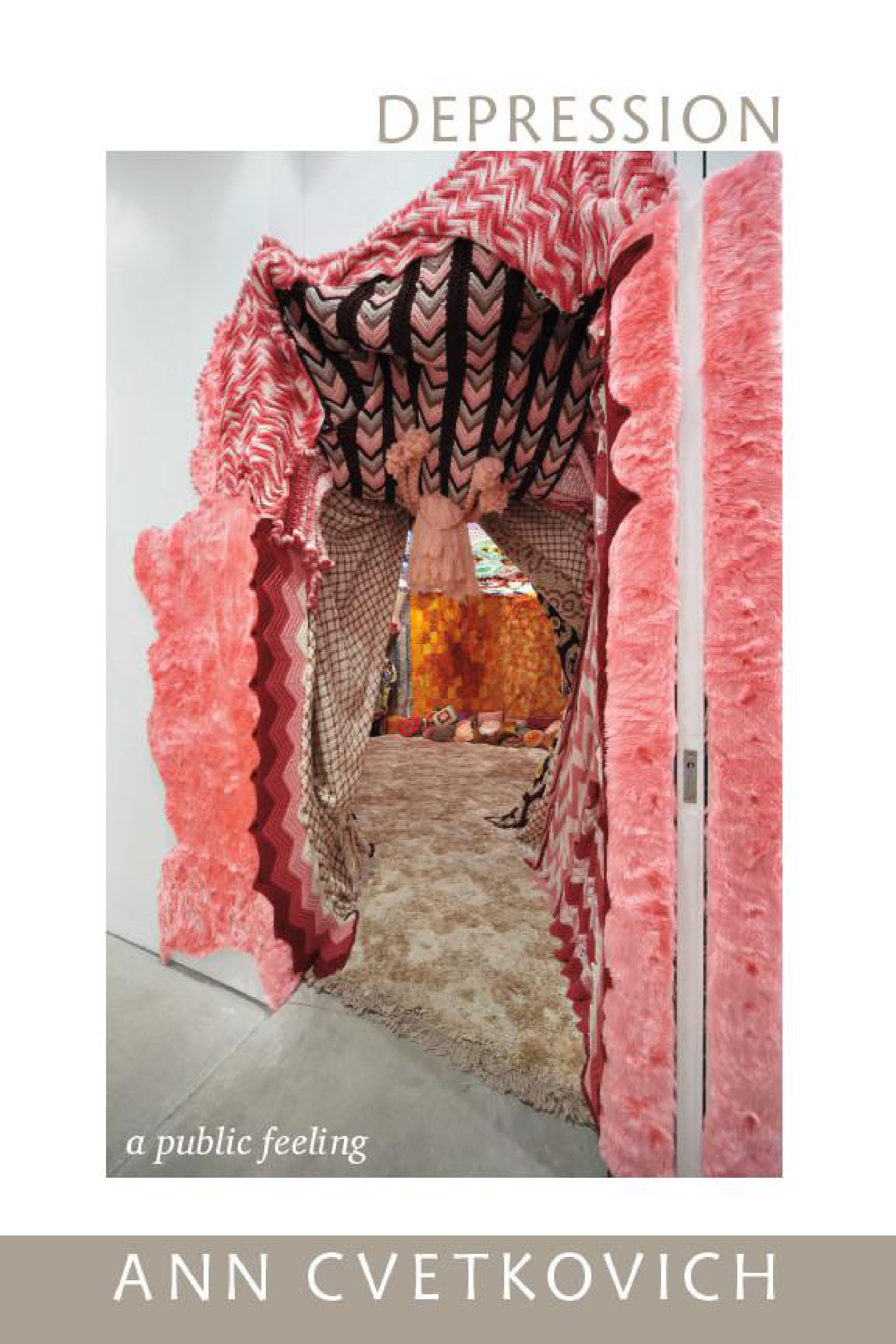
Public Feelings, Affective Turn, and the Political Depression
Cvetkovich 在 Introduction 中建立了全书的方法论框架:拒绝将抑郁(depression)简化为医学疾病,转而将其视为一个文化关键词(keyword),以此切入描述新自由主义时代的日常情感体验。她将 Public Feelings 集体项目、情感转向(affective turn)的理论谱系、女性主义「个人即政治」传统编织在一起,提出一种结合回忆录与文化批评的「双联画」(diptych)写作方法。核心命题:抑郁不仅是个人病理,更是政治处境的情感表征——而理解这种政治抑郁需要一种修复性的(reparative)、而非偏执性的(paranoid)批评实践。
Reading Context
本章是全书的立论基石。Cvetkovich 需要在三个层面上同时建立合法性:理论层面,将抑郁从医学模型中解放出来,纳入文化研究的分析视野;方法层面,为「回忆录作为研究方法」的混合体裁辩护;政治层面,将个人情感与宏观政治结构(新自由主义、种族主义、学术资本主义)联系起来。Introduction 勾勒了全书结构——前半部回忆录 + 后半部三篇论文的「双联画」——并预告了每个章节的核心论题。
Structured Notes
Public Feelings:一个集体项目的诞生
Public Feelings 是 2001 年由 Cvetkovich 等学者在德克萨斯大学及全国范围内发起的合作项目,诞生于 9/11 后的情感政治——小布什利用爱国主义情感为军国主义、伊拉克和阿富汗战争背书。小组关注的核心不是地缘政治分析,而是情感动力学:是什么让人投票给布什或默许战争?这些问题如何在被焦虑和麻木充斥的日常生活中运作?Feel Tank Chicago(对 Think Tank 的戏仿)提出了「政治抑郁」(political depression)的概念——传统的政治回应方式(直接行动、批判分析)既无法改变世界,也无法让人感觉好一些。
Cvetkovich 强调,Public Feelings 的运作方式本身就很特别:会议以情绪(mood)而非观念(idea)为起点;成员们坦承被职业义务耗尽(exhausted and overwhelmed);他们探索不依循会议和出版节奏的学术生产方式。Feel Tank 甚至组织了「国际政治抑郁日」(International Day of Politically Depressed),参与者穿浴袍出席以示对传统抗议形式的倦怠,T 恤上印着 "Depressed? It Might Be Political!"。这不是将抑郁浪漫化,而是将负面情感去病理化(depathologize),使其成为政治行动的可能资源而非对立面。
情感转向(The Affective Turn):并非全新
Cvetkovich 坦承对「情感转向」这一术语的犹豫——它暗示情感研究是新生事物,但实际上相关工作已进行了相当长时间。她在广义上使用 affect,作为一个涵盖 affect、emotion、feeling 的总称范畴,而非 Deleuzian 严格意义上将 affect(前认知感官体验)与 emotion(文化建构和意识过程)区分的用法。她偏爱 feeling 一词,因为它刻意保持了模糊性——兼跨身体感觉与心理认知体验之间的暧昧,且具有日常语言的质感(vernacular quality),适合探索我们通过经验和通俗用法来认识的感觉。
她明确将自己定位在 Deleuzian 传统之外,但视其为「同行旅人」(fellow travelers)。对 Public Feelings 更重要的理论资源包括:(1) Eve Sedgwick 的修复性批评(reparative rather than paranoid critical approach),借自 Melanie Klein 和 Silvan Tompkins;(2) Kathleen Stewart 追随日常生活的表面与质感、而非揭露底层结构的批评感性;(3) 酷儿理论对羞耻、失败、忧郁、抑郁等负面情感的去病理化努力。
女性主义作为情感转向
Cvetkovich 认为 Public Feelings 是女性主义「个人即政治」(the personal is the political)这一信条的延伸和再思考。1980年代的女性主义理论——在脱离了强大的运动基础、更聚焦学术问题和制度变迁的大学中形成——教会了一代人警惕本质主义(包括将女性视为天然更情感化、或情感表达必然是解放性的观念),但情感始终是这一理论化工作的核心。从 Virginia Woolf 到 Harriet Beecher Stowe,从 Mary Wollstonecraft 的政治论著到 Jane Austen 客厅礼仪中更隐蔽的政治——女性主义长期关注情感的文化力量。
她引用 Lauren Berlant 的「感伤性的未竟事业」(unfinished business of sentimentality)——不仅指感伤文化本身的持续存在,也指女性主义对感伤性的批判尚未在公共领域充分展开。Public Feelings 致力于将情感觉察带入智识项目,并继续思考这些项目如何推进政治目标。1982 年 Barnard 学院关于性的 Scholar and Feminist 会议(及其争议)是 Public Feelings 的起源之一——性战争(sex wars)作为政治冲突的典型案例,教会了 Cvetkovich 对政治争议中负面情感的修复性视角:拥抱冲突而非分辨对错。
方法笔记:作为关键词的抑郁
Cvetkovich 在文化研究的方法论精神中,将 depression 作为一个关键词(keyword)来描述当下日常生活中情感维度。这一取径继承了 Raymond Williams 将马克思主义概念引入文化分析的 keyword 传统——但 Public Feelings 经常用 rest、impasse、sentimentality 等术语替换 Zeitgeist、ideology、culture 等传统理论范畴。Williams 的「感觉结构」(structure of feeling)概念——因其「素描式」(sketchiness)而富有生产力——为 affective 术语成为关键词开辟了道路。
抑郁作为分析新自由主义的情感入口:Lisa Duggan 指出新自由主义的特征是公共领域的萎缩,情感生活被迫承担越来越大的负担,因为国家剥离了对社会福利的责任。Alain Ehrenberg 认为,抑郁话语的出现是对「自我必须成为主权个体」这一要求的回应——那些因意志、精力或想象力不足而无法达标的人被病理化为抑郁。Berlant 的「缓慢死亡」(slow death)概念也适用于抑郁——不是身体膨胀到崩溃点,而是一种更不可见的暴力形式,表现为心智和生活逐渐萎缩至绝望。
Depression Manifesto:宣言与方法
Cvetkovich 以一段充满激情的宣言体(manifesto)文字揭示了她转向回忆录的动力。她将流行的 Prozac 回忆录(William Styron 的 Darkness Visible、Elizabeth Wurtzel 的 Prozac Nation、Andrew Solomon 的 The Noonday Demon)视为对药物治疗的隐性或显性背书——它们让抑郁看起来太临床、太极端、太病理化、太疏离(clinical, extreme, pathological, alien),无法回应她的经验。她追问:"What before why"——先描述,再分析;我的个人经验就是对所有其他描述的解药。
她对回忆录体裁的犹豫是有意识的:在治疗文化中,回忆录倾向于以耸人听闻和个人化的方式流通,不利于她寻求的社会和政治分析;在学术界,回忆录的学术价值也面临质疑。但她最终选择将回忆录作为研究方法(research method)——作为探索抑郁观念的起点和熔炉,作为创造丰富而细致的案例史的方式,以及作为呈现对抑郁之理解从日常经验中涌现的方式。
On Being Stuck:Impasse 与创造性
「被困住」(being stuck)是全书的核心空间隐喻。Cvetkovich 将回忆录聚焦于学术生活——论文写作、求职、终身教职——其中成功的压力与创造性思考的渴望遭遇残酷的竞争性就业市场、人文学科的萎缩和大学的企业化。学术生活滋生特定形式的恐慌和焦虑:恐惧自己无话可说、说不出想说的话、或说了也不够聪明或不够重要。这种非生产性(nonproductivity)看似专业甚至幻影般(phantasmatic)——人们怎么可能被做文化阅读这种相对非紧急的任务弄得丧失能力?但她的目标是严肃对待这些相对特权化的项目所产生的不幸福和绝望。
Berlant 对 impasse 的定义是全书的关键理论装置之一:impasse 是一个「不固定住的固定站」(a holding station that doesn't hold),开放向焦虑,「在一个轮廓模糊的空间里狗刨」。对 Cvetkovich 而言,impasse 捕捉了抑郁作为一种「被困住」状态的概念——不是事情不能前进,而是世界没有被设计来让它发生,或出现了想象力的失败。如果抑郁被构想为阻塞或 impasse,那么其治疗可能在于灵活性或创造性形式,而非药物或不同的基因结构。Creativity 因此是另一个关键词——被定义为一种运动形式,在 impasse 内部或周围机动的心智运动。
全书结构:双联画(Diptych)
本书分为两半:前半部是回忆录——一篇关于她在学术生活中经历的片段式叙事(dissertation → first book → tenure);后半部是三篇批判论文(虽然应作为一个整体来读)。这种 memoir + essay 的组合是 Cvetkovich 版本的 Jill Dolan 所称的「批判性回忆录」(critical memoir)——一种创造来自情感经验、日常生活和替代性档案的新写作和知识形式的渴望。
她尝试过将回忆录和批评「叠加」(laminate)在一起以显示它们的相互构成,但最终选择让回忆录独立成篇——以反映它作为思考第一阶段的地位,以及它讲述了一个她希望读者能够接触到的连贯故事。Chapter 1 探索 acedia(早期基督教的精神绝望)作为抑郁的替代历史资源;Chapter 2 以种族主义和殖民主义的长期效应作为抑郁的推测性原因;Chapter 3 转向酷儿和女性主义的日常和家庭档案,探索「日常习惯的乌托邦」(utopia of ordinary habit)——craft、创造力、精神实践。
Key Concepts
Argument Flow
Reflection
Cvetkovich 的方法论立场极为有力:她没有简单地在医学模型和「社会建构」之间做二选一,而是指出两者都将社会问题转化为个人问题(童年创伤 vs 生化失调)。更关键的是,她拒绝了第三种简单答案——宏大的社会批判("Saying that capitalism is the problem does not help me get up in the morning")。这种三重拒绝迫使我们寻找介于个人病理和宏大叙事之间的中间地带——而回忆录正是这一中间地带的形式。
她对 impasse 的处理极为精彩——不是一个需要被解决的问题,而是一个需要被栖居的状态。这与 Berlant 的理论形成了有效对话,也与我对「卡住」状态的直觉经验高度吻合。将创造性重新定义为「运动」(而非天才式的灵感),使其变得日常化和民主化,这一举动本身就有政治含义。
与 Illouz 的 Cold Intimacies 形成有趣对话:Illouz 分析治疗性话语如何理性化亲密关系,Cvetkovich 则分析医学模型如何将社会问题个体化。两者共同揭示了「治疗文化」的双重面相——Illouz 从亲密关系的理性化角度,Cvetkovich 从情感的去政治化角度。但 Cvetkovich 的取径更注重身体感觉和日常实践,Illouz 更注重话语和文化文本分析。
与 Hochschild 的 The Managed Heart 比较:Hochschild 分析情感劳动(情感被商品化),Cvetkovich 分析情感被医学化(情感被病理化)。两者共同揭示了资本主义如何系统性地重新定义和管理情感——但 Hochschild 更关注工作场所,Cvetkovich 更关注学术/知识工作者的日常经验。
与 Sedgwick 的修复性阅读连接:Cvetkovich 明确将 Sedgwick 作为关键理论资源,这一选择有深刻含义——它拒绝了文化研究中占主导的偏执性批判(揭露底层结构),转向一种更具接纳性的批评实践。这与 Sennett 在 FPM 中对公共生活衰亡的悲观分析形成了方法论上的张力——Sennett 更偏 paranoid(诊断公共人的死亡),Cvetkovich 更偏 reparative(在日常中寻找可能性)。
Cvetkovich 对 affect/emotion/feeling 的术语处理刻意保持模糊——她偏爱 feeling 的不精确性。这在策略上有效(避免了 Deleuzian 的术语壁垒),但在分析精度上是否付出了代价?当她将这三个概念作为可互换的「关键词」使用时,读者有时难以判断她在哪个层面上做出分析。
她对回忆录作为研究方法的辩护——「先描述再分析」——在修辞上很有力,但实际操作中如何避免回忆录陷入她所批评的「个人化」和「耸人听闻」?这一张力需要在阅读回忆录部分时密切关注。